

• Home
  • Wellness
  • Life&Balance
  • Healthy Planet
  • Life Tips
  • Mind&Body
logo
  • Home
  • Wellness
  • Life&Balance
  • Healthy Planet
  • Life Tips
  • Mind&Body
  • Healthy Planet

How Deforestation Affects the Planet’s Balance

2025-12-07 By Nora Sullivan

Trees are long-term investors in nature, playing a vital role in balancing climate, regulating water and air, and maintaining biodiversity. Extensive deforestation and long-term loss of forest cover make this "ecological bill" increasingly unsustainable. There was a time when the world was far more lush. Ten thousand years ago, forests, shrubs, and grasslands covered 71% of the Earth's land area. The number of leaves has recently decreased significantly, and the rate of tree loss is alarming. Continued deforestation not only threatens biodiversity but also accelerates global warming and climate change. Approximately 42 billion hectares of forest have been lost in recent decades, leading to rising temperatures and disrupted weather patterns. Despite efforts to halt this loss, we continue to lose nearly 100,000 hectares of forest annually. Southeast Asia, South America, and Africa are the most severely affected regions, with serious consequences for regional and global climate.
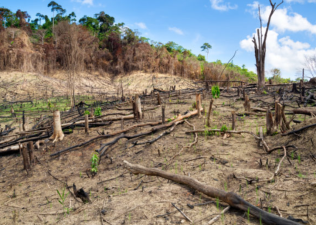

The Role of Forests in Regulating Climate

  1. Carbon Sequestration:

Forests act as carbon sinks, absorbing carbon dioxide through photosynthesis and helping to mitigate climate change by storing large amounts of carbon. However, when trees are felled or burned, this stored carbon is released back into the atmosphere, exacerbating global warming.
  1. Regulating the Water Cycle:

Trees release water vapor through transpiration, lowering temperatures and promoting rainfall. Forests influence regional and global weather patterns, especially tropical rainforests like the Amazon, which play a crucial role in precipitation.
  1. Temperature Regulation:

Forests shade the earth and release water vapor, thus helping to cool the Earth's surface. To further stabilize local temperatures, they also reduce albedo, a phenomenon that occurs when darker surfaces absorb more heat.
  1. Protecting Soil and Reducing Land Degradation:

Tree roots help prevent soil erosion to maintain healthy soil needed for plant growth and carbon storage.
  1. Supporting Biodiversity and Resilience:

Forests maintain biodiversity, promoting ecosystem health and climate stability. Therefore, forests are essential for addressing climate change and protecting communities that depend on them.
  1. Protection Against Extreme Weather Events:
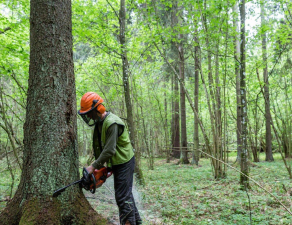
Forests act as natural barriers against extreme weather events such as storms and floods, covering inland and coastal areas, as they absorb moisture and reduce wind speed.


How Deforestation Causes Global Warming and Climate Change

Increased Carbon Emissions

When forests are destroyed, carbon stored in vegetation is released into the atmosphere as carbon dioxide. Deforestation accounts for approximately 10% of global warming and contributes to 11% of annual greenhouse gas emissions. Among the most significant contributors are:
  • Agricultural Expansion: Deforestation and greenhouse gas emissions are caused by cash crops such as soybeans and palm oil.
  • Cattle Farming: Methane, a powerful greenhouse gas, is largely produced by this industry.
  • Logging and Timber Production: When forests are felled for timber, carbon dioxide absorbed by trees is released.
  • Forest Fires: Wildfires release large amounts of carbon when forests are cut down and burned.

Links Between Global Warming and Climate Change

  1. Disrupted Weather Patterns and Extreme Weather Events

Global warming leads to increased energy in the atmosphere, resulting in more intense and unstable weather patterns. Weather phenomena such as droughts, heat waves, and storms occur more frequently and are more severe.
  1. Melting Ice Sheets and Glaciers

Rising sea levels due to global warming accelerate the melting of ice and snow, especially in polar regions. Ecosystems and animals are more severely disturbed, particularly those dependent on cold environments.
  1. Sea Level Rise

Sea level rise is caused by thermal expansion, glacial melting leading to erosion and flooding that threatens coastal communities, and saltwater seepage into freshwater systems.
  1. Positive Feedback Mechanisms

Feedback loops are generated by multiple climate processes, such as decreased albedo due to ice melt or increased water vapor due to sea level rise, which accelerate the effects of warming. These processes accelerate global climate change and exacerbate environmental pressures.
  1. Ocean Current Disruption

Major ocean currents such as the Gulf Stream may change due to temperature and salinity variations caused by glacial melting, leading to regional climate shifts. This will impact global issues such as marine ecosystems, agriculture, and weather patterns.

Conclusion

Deforestation, global warming, and climate change are closely intertwined. Trees are crucial for maintaining biodiversity and stabilizing the climate by absorbing carbon. However, deforestation disrupts these processes, releasing carbon and exacerbating the effects of climate change. Reversing these consequences requires legislation, programs, and sustainable behaviors that support forest protection. We can collectively create a resilient and sustainable future through reforestation, responsible land use, and reduced consumption. Despite significant obstacles, global cooperation holds the promise of making our planet a better place.

Recent Posts

Why Protecting Wildlife Protects Us Too

Environmental Protection Is a Global Challenge

Are We Doing Enough to Reduce Plastic Waste?

Why Urban Green Spaces Matter More Than We Think

Protecting the Earth Starts With Understanding It

What Causes Poor Air Quality?

  • About Us
  • Privacy Policy
  • Terms of Use

©Copyright 2025 Wisdom Live. All Rights Reserved.